What Strategies Help ACOs Improve Scores With eCQMs?
Understanding the eCQM Transition
Data Aggregation Is the Foundation
Meeting Data Completeness Requirements
Tracking Performance in Real Time
Choosing the Right Reporting Partner
Moving Forward With Confidence
Accountable Care Organizations face a new reality. The CMS Web Interface is gone, and electronic clinical quality measures now take center stage for quality reporting in the Medicare Shared Savings Program. This shift means ACOs must rethink how they collect, aggregate, and submit performance data. The good news is that organizations embracing this change can unlock better quality scores, stronger shared savings potential, and improved patient outcomes.
Key Takeaways
- ACOs must now report eCQMs under the APP Plus quality measure set starting in 2025.
- Data aggregation from multiple EHRs is the biggest challenge for accurate eCQM reporting.
- CMS offers reporting incentives and bonus adjustments for ACOs using eCQMs.
- Real-time performance monitoring helps identify care gaps before submission deadlines.
- Partnering with a qualified registry simplifies compliance and improves score potential.
Understanding the eCQM Transition
CMS has been moving toward digital quality measurement for years, and 2025 marked the official end of the Web Interface reporting option. Under the new APP Plus quality measure set, MSSP ACOs must report using eCQMs, Medicare CQMs, or MIPS CQMs. The agency plans to phase out MIPS CQMs likely by 2027, making eCQMs the primary path forward.
The Electronic Clinical Quality Measures Overview defines eCQMs as measures in a standard electronic format that pull data directly from electronic health records. For ACOs, quality scores now depend on how well your organization can extract and report structured clinical data across your entire patient population.
Related: What is MIPS in Healthcare
Data Aggregation Is the Foundation
The single biggest hurdle for ACOs is pulling together data from multiple electronic health record systems. Many ACOs have participating practices using different EHRs, each with its own documentation standards and data structures.
ACOs can approach this in several ways. Some build custom data pipelines using ETL processes. Others adopt common data models like FHIR or OMOP to standardize patient records. For aco and app reporting support, many organizations turn to qualified registries that specialize in pulling data from disparate systems and preparing it for CMS submission.
The goal is creating a complete, longitudinal view of each patient. When your data is clean and comprehensive, you can identify care gaps, track performance against benchmarks, and submit your highest possible scores.
Meeting Data Completeness Requirements
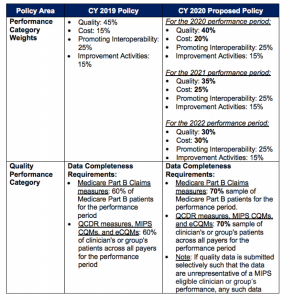
CMS requires ACOs to report eCQMs for all eligible patients, regardless of payer type. This is a significant change from the old Web Interface approach, which only required reporting on a sample of 248 Medicare beneficiaries. Now, ACOs must demonstrate quality across their entire patient population, including commercial and Medicaid patients.
Data completeness directly affects your quality scores. Measures that fail to meet the threshold won’t earn full points, dragging down your overall performance. ACOs should establish processes for monitoring completeness throughout the year rather than scrambling at submission time.
The Shared Savings Program Quality Reporting guidelines outline the specific requirements for each measure. Understanding these details helps ACOs build workflows that capture the right data elements at the point of care.
Tracking Performance in Real Time
One advantage of eCQM reporting is the ability to monitor performance throughout the year. Unlike the old chart abstraction method, electronic measures can be calculated continuously as data flows into your system. This gives ACOs the chance to spot problems early and make corrections before the reporting deadline.
Effective performance tracking involves establishing baseline performance for each measure, setting targets based on MIPS benchmarks, reviewing data monthly with clinical leadership, identifying providers with low performance rates, and implementing targeted interventions to close care gaps.
ACOs that wait until year-end to assess their performance often find themselves unable to make meaningful improvements. Continuous monitoring creates opportunities for mid-course corrections.
Related: 5 Common MIPS Reporting Challenges and How to Solve Them
Leveraging CMS Incentives
CMS has built several incentives into the eCQM reporting framework. ACOs that report via eCQMs collection type can qualify for a complex organization adjustment, which adds bonus points to account for the challenges of coordinating data across multiple practices and EHRs.
The Alternative Payment Model Performance Requirements outline how quality scores factor into shared savings eligibility. ACOs must meet either the quality performance standard or the alternative quality performance standard to earn a portion of the savings they generate. CMS also uses flat benchmarks for Medicare CQMs during their first two performance periods, helping high-performing ACOs avoid overly competitive benchmarks.

Building Clinical Engagement
Technology alone won’t drive better eCQM scores. ACOs need buy-in from clinicians and staff who document patient encounters. When providers understand how their documentation affects quality measures, they’re more likely to capture the data elements that matter.
Training programs should cover the specific clinical actions that satisfy measure numerators. For diabetes measures, that means ensuring HbA1c results are recorded properly. For screening measures, it means documenting when screenings occur and follow-up actions taken. Some ACOs create feedback loops where individual providers can see how their performance compares to peers, which often motivates improvement.
Choosing the Right Reporting Partner
Many ACOs find that working with a CMS-qualified registry simplifies the eCQM reporting process. A good registry partner handles data acquisition through API connections or secure file transfers-sFTP, aggregates information from multiple EHRs, conducts patient matching and de- duplication,validates data quality and submits files directly to CMS.
If your ACO is looking for support navigating eCQM requirements, schedule a demo to see how Patient360 can help streamline your reporting workflow and maximize your quality scores.
Moving Forward With Confidence
The transition to eCQM reporting represents a fundamental change in how ACOs demonstrate quality. Organizations that invest in strong data infrastructure, establish continuous performance monitoring, and engage their clinical teams will be positioned to succeed. The measures themselves focus on managing chronic conditions prevalent in Medicare populations, so improving scores often translates directly to better patient outcomes.
ACOs that view eCQM reporting as a strategic opportunity rather than a compliance burden can turn this transition into a competitive advantage. The financial stakes are real, but so are the benefits for the patients you serve.