
Reporting Smarter: Tips for Managing eCQM, CQM, and MIPS CQM Requirements
Why Internal Audits Matter for MIPS Compliance
Start With a Data Accuracy Check
Check for Exclusions and Exceptions
Confirm Attestation Requirements
Build a Pre-Submission Checklist
Consider a Final Review With Your Registry
Submitting data to CMS without reviewing it first is like turning in a test without checking your answers. Internal audits give your practice the chance to catch errors, fill in gaps, and confirm your quality measures actually reflect the care you’re providing. Whether you’re reporting through MIPS, a QCDR, or an APM, a solid pre-submission review can mean the difference between a penalty and a performance bonus.
Key Takeaways
- Internal audits help identify data gaps and errors before CMS deadlines.
- Reviewing measure performance early gives you time to adjust workflows.
- Clean data protects your practice from payment adjustments.
- Audit checklists keep your team organized and reduce stress.
- Working with a qualified registry simplifies the submission process.
Why Internal Audits Matter for MIPS Compliance
Most practices focus heavily on patient care, which is exactly where the focus should be. But when reporting season hits, that focus can make it easy to overlook small data issues that snowball into bigger problems. A missing diagnosis code here, an incomplete attestation there, and suddenly your composite score takes a hit you didn’t see coming.
Internal audits act as a safety net. They let you review your performance data, spot inconsistencies, and correct them while there’s still time. Practices that invest in mips quality reporting solutions tend to catch these issues earlier because they have real-time visibility into their scores. That kind of ongoing monitoring makes the final audit more of a confirmation than a scramble.
Related: What is MIPS in Healthcare
Start With a Data Accuracy Check
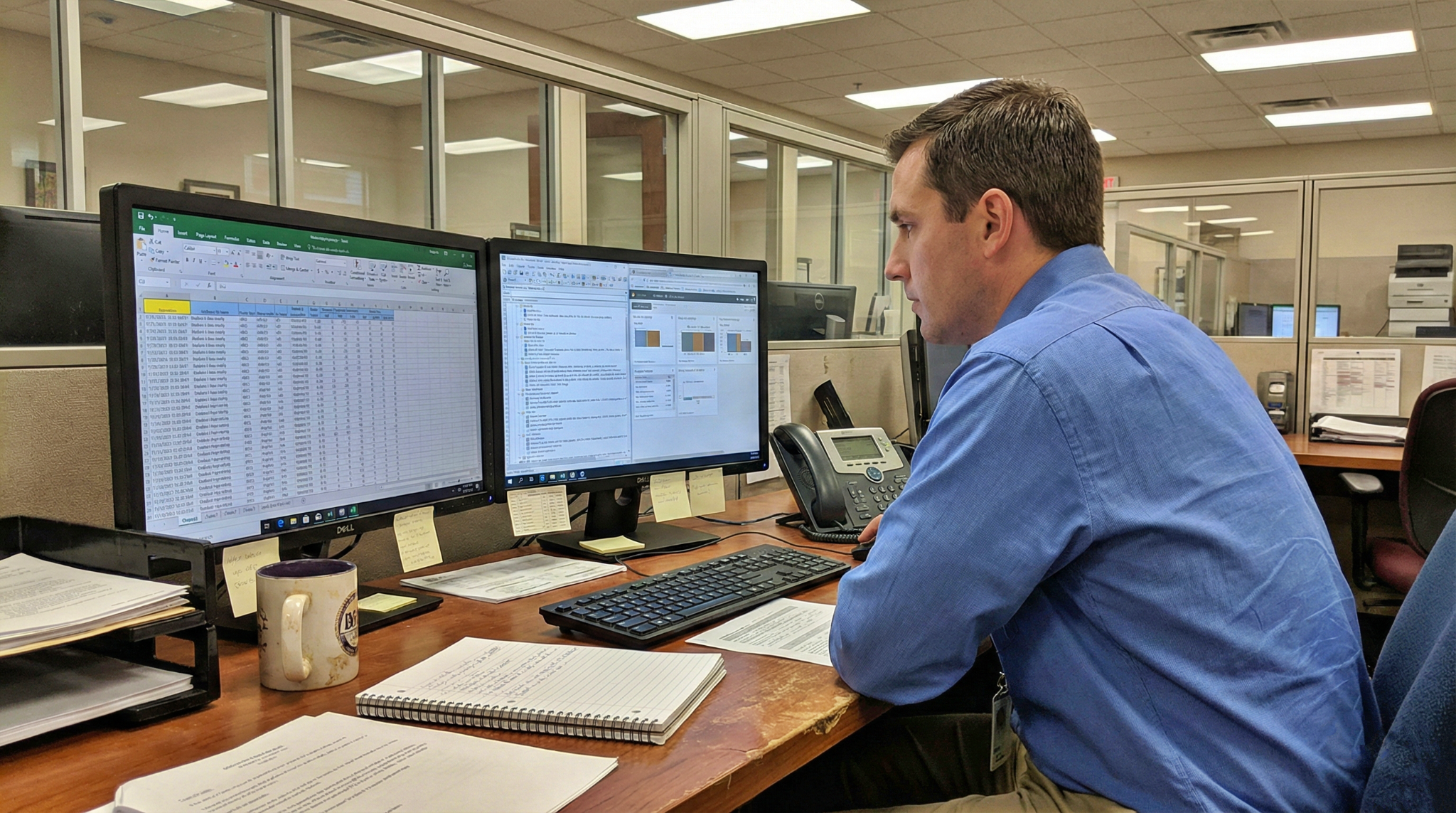
Before you do anything else, verify that your data is complete and accurate. This sounds basic, but it’s where most reporting problems begin. Pull a sample of patient records and compare them against the data your EHR is generating for submission. Look for things like:
- Missing or incorrect CPT codes
- Incomplete quality measure documentation
- Patients attributed to the wrong provider
- Diagnosis codes that don’t match the reported measures
If your practice uses multiple data sources, make sure they’re syncing properly. Discrepancies between your EHR, billing system, and registry can lead to duplicate records or missing submissions. Practices that understand how to prepare mips submissions know that clean data starts at the point of entry, not at the end of the reporting period.
Review Your Measure Selection
Not all measures are created equal, and picking the wrong ones can drag down your score even if you’re delivering excellent care. During your internal audit, take a hard look at the measures you’ve selected. Are they a good fit for your patient population? Are you hitting the required case minimums? Are there measures with better benchmarks you could swap in?
CMS publishes Quality Payment Program Measure Requirements that outline what’s expected for each category. If you’re reporting through a QCDR, you may have access to additional measures that better reflect your specialty, which is where qcdr reporting support becomes valuable.
Check for Exclusions and Exceptions
One of the most overlooked parts of MIPS reporting is proper documentation of exclusions and exceptions. If a patient doesn’t meet the denominator criteria for a measure, they should be excluded. If there’s a valid medical, patient, or system reason why a measure wasn’t met, that exception needs correct documentation.
During your audit, review a sample of cases where exclusions or exceptions were applied. Ask whether the documentation supports the claim. CMS can and does review these, and unsupported exclusions can trigger compliance issues. The goal isn’t to inflate your numbers. It’s to make sure your data tells an accurate story.
Related: 5 Common MIPS Reporting Challenges and How to Solve Them
Validate Your eCQM Data
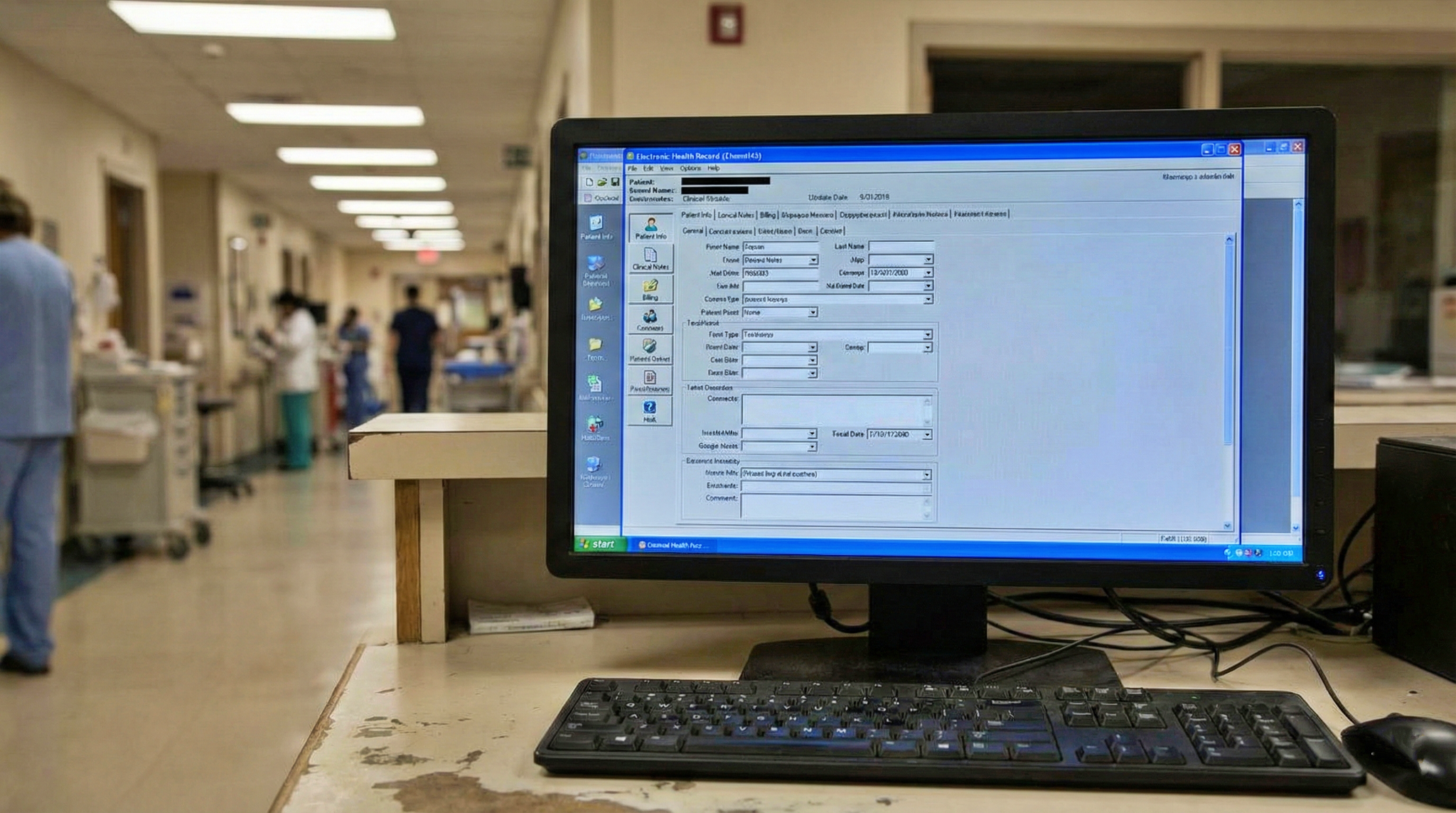
If your practice reports electronic clinical quality measures, pay extra attention to how that data is being captured and formatted. eCQMs rely on structured data from your EHR, which means any inconsistencies in how information is entered can throw off your results. The Electronic Clinical Quality Measures Overview from CMS explains the technical requirements in detail.
Run test exports from your EHR and review the output files; QRDA I and/or QRDA III files have standard formatting requirements. Look for formatting errors, missing fields, or data that doesn’t match what you see in the patient chart. If something looks off, work with your EHR vendor or IT team to resolve it before submission.
Confirm Attestation Requirements
Some MIPS categories require attestation rather than data submission. Improvement Activities, for example, are reported through yes/no attestations that confirm your practice completed certain actions. During your audit, make sure you have documentation to back up every attestation you plan to submit.
This could include meeting notes, policy updates, training records, or screenshots of workflows. If CMS requests proof, you’ll want it ready. Practices that track Traditional Mips Quality Measures alongside their attestation activities tend to have a clearer picture of where they stand across all four performance categories.
Build a Pre-Submission Checklist
A checklist might sound old-school, but it works. Create a document that outlines every step of your internal audit process, who’s responsible for each task, and when it needs to be completed. Include data validation, measure review, attestation confirmation, and final score calculation.
Having a checklist keeps your team accountable and ensures nothing slips through the cracks. It also makes the process repeatable, so next year’s audit runs smoother.
Consider a Final Review With Your Registry
Even after a thorough internal audit, it helps to have a second set of eyes. If you’re working with a qualified registry like Patient360, you can request a final review of your data before submission. This extra step can catch issues you might have missed and gives you confidence that your submission is solid.
Ready to simplify your pre-submission process? Schedule a demo with Patient360 to see how real-time analytics and expert support can take the stress out of MIPS reporting.
Final Thoughts
Internal audits aren’t just a box to check. They’re an opportunity to protect your practice, improve your scores, and get credit for the quality care you deliver. Start early, stay organized, and don’t be afraid to ask for help. The time you invest now will pay off when CMS processes your submission and calculates your final adjustment.