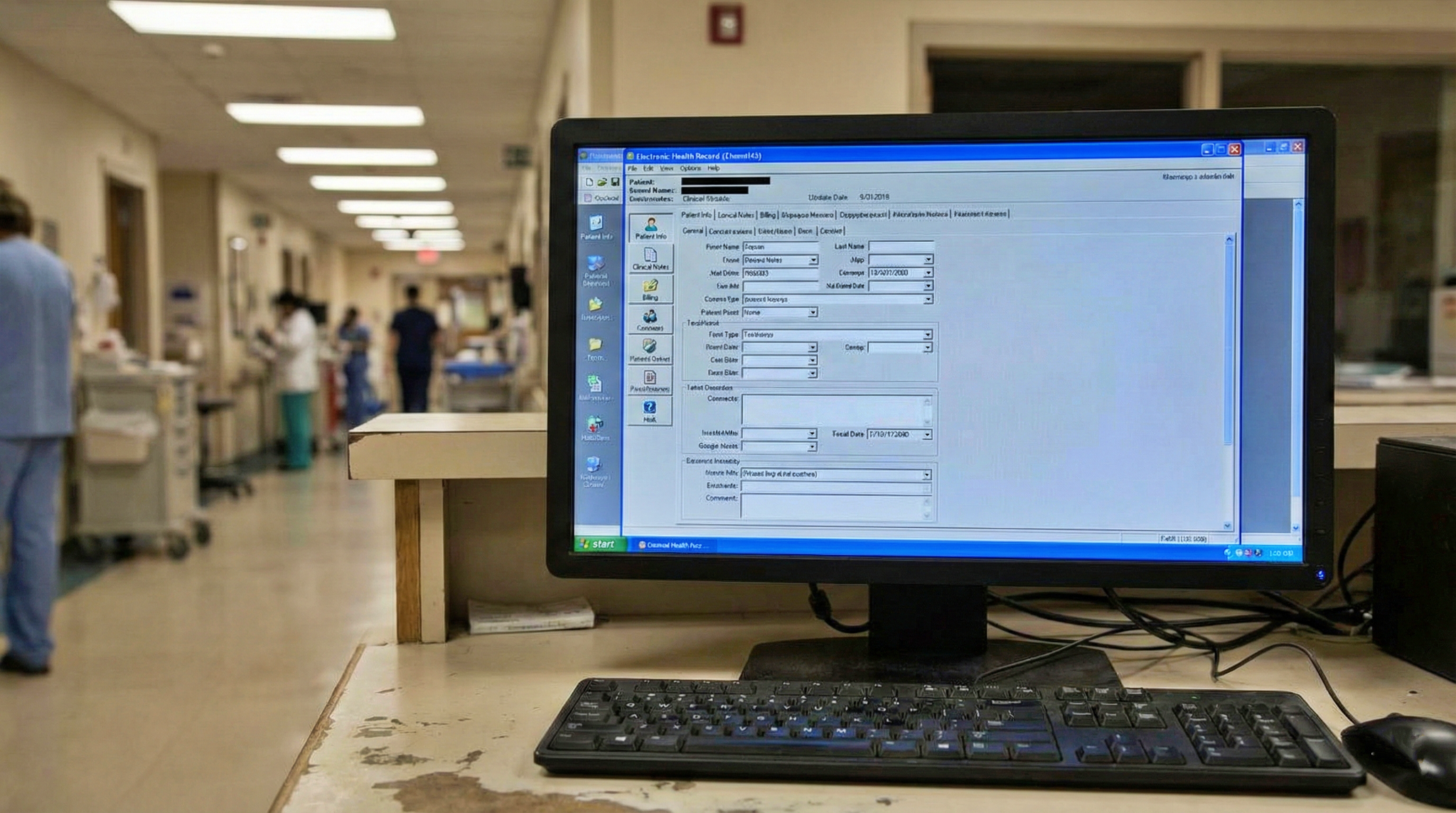
What Lessons Can Be Learned From EHR Integration Failures in Quality Reporting?
Understanding Why EHR Integrations Fail
Data Quality Starts at the Point of Care
Common Integration Failures and How to Avoid Them
Building a More Reliable Integration Workflow
When EHR Capabilities Fall Short
Choosing the Right Reporting Partner
EHR systems are supposed to make MIPS reporting easier, but when integration fails, the opposite happens. Data gets lost, reports come back incomplete, and providers end up scrambling to fix errors they didn’t know existed. The good news is that most failures follow predictable patterns. Once you understand where things break down, you can build workflows that prevent problems before they affect your MIPS score.
Key Takeaways
- Poor data mapping between EHRs and reporting platforms is one of the most common causes of failed submissions.
- Incomplete documentation during patient visits creates downstream reporting gaps.
- Testing integration workflows before submission deadlines helps catch errors early; ensure the EHR is producing standard QRDA I and/or QRDA III files.
- Staff training on proper data entry & documentation directly impacts quality measure accuracy.
- Working with a qualified registry can bridge gaps when EHR capabilities fall short.
Understanding Why EHR Integrations Fail
EHR integration sounds straightforward in theory. Patient data flows from clinical documentation into a reporting platform, where it gets calculated and submitted to CMS. In practice, there are dozens of places where this process can break down.
One of the biggest issues is data mapping, where fields in your EHR don’t align correctly with fields required for quality measures. When a blood pressure reading gets stored in a non-standard location, the reporting system may not recognize it as valid data. The Electronic Clinical Quality Measures Overview outlines specific data standards that certified systems must follow, but implementation varies widely across vendors.
Another common problem involves version mismatches. EHR vendors update their systems regularly, and those updates can change how data is structured or exported. Practices that don’t test their data exports after major updates often don’t realize anything is wrong until submission time.

Related: What is MIPS in Healthcare
Data Quality Starts at the Point of Care
Even the best integration setup can’t fix bad data. If clinical staff aren’t entering information consistently, or if required fields are left blank, those gaps show up in your quality reports. Many ehr data integration challenges in mips reporting trace back to documentation habits rather than technical failures.
Think about how a typical patient visit unfolds. A clinician might document the chief complaint and treatment plan thoroughly but skip over screening questions that feed directly into quality measures. Depression screenings, tobacco use assessments, and fall risk evaluations all require specific data points recorded in specific ways. When these get entered inconsistently, the reporting system has nothing to pull.
Building documentation templates that prompt for required data can help. Periodic audits of patient records also identify patterns where information is consistently missing.
Common Integration Failures and How to Avoid Them
Based on patterns seen across healthcare practices, several integration failures occur more frequently than others:
- Misaligned data fields. Quality measures require data in specific formats and locations. When EHR configurations don’t match reporting requirements, valid clinical data gets excluded from calculations.
- Incomplete patient records. Missing demographic information or clinical data points can disqualify entire patient encounters from measure calculations.
- Failed file transfers. QRDA files that don’t transmit properly, or that contain formatting errors and/or missing elements, result in rejected submissions requiring manual intervention.
- Timing mismatches. Data captured outside the designated performance period won’t count toward your MIPS score.
Understanding how to prepare mips submissions before the reporting deadline gives your team time to identify and resolve these issues.
Building a More Reliable Integration Workflow
Preventing integration failures requires a proactive approach. Practices that succeed with EHR-based reporting typically share several characteristics in their workflows.
They establish clear data governance policies that define who enters what information and where it should be documented. They run regular data quality checks throughout the year instead of waiting until submission season. They also maintain open communication with their EHR vendor and reporting partners about updates that might affect data flow.
The Quality Payment Program Data Submission Requirements outline technical specifications that all submissions must meet. Reviewing these requirements alongside your EHR’s export capabilities helps identify potential gaps before they become problems.

Related: Maximizing MIPS Scores: Strategies to Improve Performance in 2025
When EHR Capabilities Fall Short
Not every EHR system handles quality reporting equally well. Some platforms have robust built-in reporting tools, while others offer limited functionality that makes MIPS compliance difficult. When your EHR can’t meet all your reporting needs, working with a qualified registry provides an alternative path.
Registries can accept data from multiple sources, including direct EHR feeds, manual uploads, and API connections. This flexibility allows practices to supplement their EHR’s capabilities with additional data collection methods. For providers struggling with Mips Quality Performance Category Requirements, a registry can also provide guidance on measure selection and performance optimization.
The key is recognizing your EHR’s limitations early. Waiting until submission deadlines to discover that your system can’t handle certain measures leaves few options for recovery.
Choosing the Right Reporting Partner
Effective mips reporting solutions do more than transmit data to CMS. They provide validation checks that catch errors before submission, analytics that help you track performance throughout the year, and support teams that troubleshoot integration issues when they arise.
When evaluating reporting partners, consider their experience with your specific EHR platform, their track record with CMS submissions, and their ability to provide ongoing guidance rather than just technical services.
If your practice has struggled with EHR integration challenges, schedule a demo with Patient360 to see how streamlined data submission can work for your organization.
Conclusion
EHR integration failures don’t have to derail your MIPS reporting. By understanding where breakdowns commonly occur, building workflows that prioritize data quality, and partnering with experienced reporting specialists, practices can turn a frustrating process into a manageable one. The lessons learned from past failures provide a roadmap for future success, and applying those lessons consistently leads to better scores and fewer last-minute surprises.